If you’re over 50 and wondering why belly fat suddenly seems so much harder to lose, you’re definitely not imagining that your body has changed.
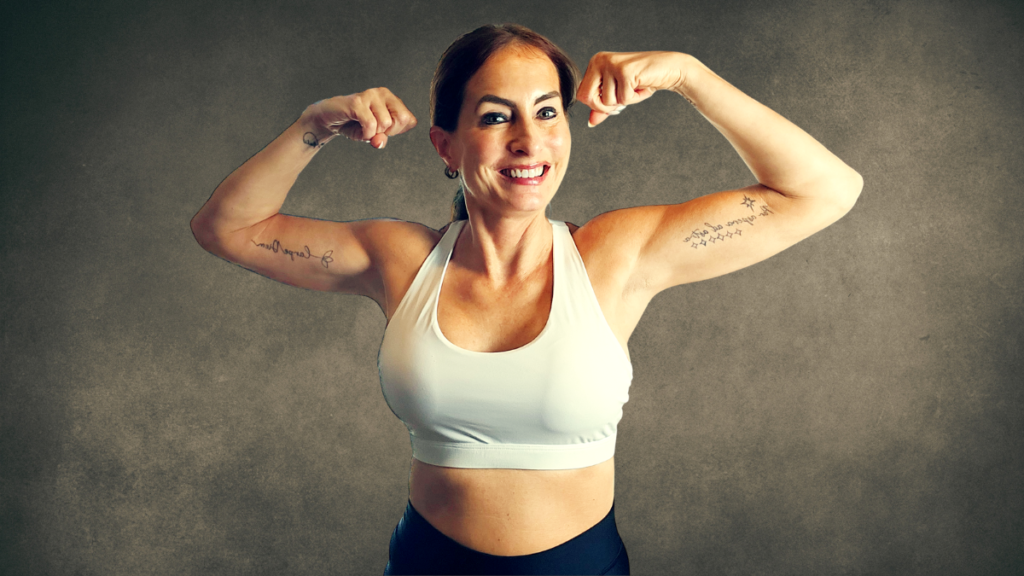
I’m going to be 60 this year, and today my waist is approximately 25 inches—only about two inches larger than it was when I was a young bride.
But I didn’t always look or feel this way.
There was a time when I was around 40 pounds heavier, and over the years I had to completely rethink the way I approached food, exercise and healthy aging.
Today, the way I eat isn’t based on starvation, tiny frozen meals or trying to survive on the fewest calories possible.
Instead, I’ve gravitated toward a high-protein, whole-food approach inspired by the Mediterranean diet.
And for me, it has been far more sustainable.
As an ACE-certified personal trainer, health coach and behavior change specialist, one of the biggest lessons I’ve learned is this:
After 50, the goal shouldn’t simply be to weigh less.
We want to lose excess body fat while preserving—and ideally building—muscle.
Here’s how I approach it.
Why Belly Fat Becomes Such a Concern After 50
Many women notice changes in where they carry body fat during and after menopause.
Men experience body-composition changes as they age too.
And the fat around our abdominal area isn’t only about how our clothes fit.
Some abdominal fat is visceral fat, meaning it accumulates around internal organs. That’s one reason improving overall body composition, staying active and maintaining healthy lifestyle habits becomes especially important as we age.
But this is where I believe many people make a mistake.
They immediately think:
I need to eat less and cut out everything.
That was certainly an approach I tried in the past.
It didn’t work well for me long term.
Stop Thinking “Low-Fat Diet”
For years, traditional dieting often meant some version of:
Low fat.
Low calories.
Prepackaged diet meals.
Artificially sweetened foods.
And tiny portions.
You might lose weight eating this way because you’ve created a calorie deficit, but that doesn’t necessarily mean you’ve created an eating pattern you can enjoy for the next 10 or 20 years.
And sustainability matters.
Today, I want my meals to contain foods that help me feel satisfied and give my body the nutrients it needs.
That includes healthy fats.
Think foods such as olive oil, seeds, nuts, avocado, salmon and moderate amounts of dairy if you tolerate it.
Fat isn’t automatically the enemy.
The overall quality and quantity of our diet matters much more.
My Approach: A Modified Mediterranean Diet
If I had to describe the way I currently eat, I’d call it a modified Mediterranean-style diet with an emphasis on protein.
I’m not trying to eat as little as humanly possible.
I’m trying to support an active body.
That distinction becomes incredibly important after 50.
My basic philosophy is simple:
Build most meals around protein, vegetables, healthy fats and minimally processed foods. Then adjust carbohydrates based on your goals and activity level.
Let’s walk through what that actually looks like.
1. Start With Protein
Protein has become one of the foundations of the way I eat.
Why?
Because my goal isn’t merely to make the number on the scale go down.
I want to maintain and build muscle.
That’s especially important because I’m very active and strength train regularly.
My protein choices include foods such as:
-
Chicken breast
-
Salmon and other fish
-
Eggs
-
Cottage cheese
-
Greek or high-protein yogurt
-
Lean or moderate portions of beef
-
Seafood such as anchovies and clams
-
Protein powder when needed to help meet my daily intake
I frequently eat salmon because it gives me both protein and healthy fats.
Cottage cheese is another favorite because it’s an easy way to add protein without preparing an entire meal.
The exact amount of protein you need will depend on factors including your size, activity level, age, goals and medical history, so there isn’t one universal number that’s right for everyone.
The bigger point is this:
Don’t allow protein to become an afterthought.
Especially if you’re strength training after 50.
2. Fill Your Plate With Colorful Vegetables
This may be the easiest rule on my entire diet.
Eat vegetables.
Lots of them.
I especially like colorful vegetables and dark leafy greens.
My kitchen regularly includes foods such as spinach, broccoli or broccolini, squash, cucumbers, carrots and asparagus.
These foods provide fiber along with a wide variety of vitamins, minerals and plant compounds.
And vegetables give you volume.
That matters when you’re trying to improve body composition because you can create a big, satisfying plate of food without relying heavily on ultra-processed foods.
I don’t want my healthy diet to look like three pieces of lettuce sitting sadly on a plate.
I want food.
3. Don’t Be Afraid of Healthy Fats
This was a big mindset change for me.
I used to think losing weight meant everything had to be low-fat.
Now I include sources of fat such as salmon, seeds, olive oil, some cheese and other minimally processed foods.
I particularly enjoy pumpkin seeds and sunflower seeds.
They’re easy to add to salads or eat in small portions as a snack.
The key word, of course, is portion.
Healthy fats are nutrient-dense, but they’re also calorie-dense.
You don’t need to fear them—but you don’t necessarily want to eat unlimited quantities either.
4. Carbohydrates Aren’t Automatically the Enemy
I previously followed a healthy ketogenic approach, and it helped me lose weight.
So I’m certainly not against lower-carbohydrate diets.
But I’ve also learned that very-low-carb eating isn’t necessarily the best long-term choice for every person or every lifestyle.
I’m extremely active.
I work long hours on my feet, I strength train, and I’m working toward building more muscle.
That means my nutritional needs today aren’t exactly the same as they were when my only goal was losing weight.
So yes, I eat carbohydrates.
My choices can include quinoa, rice, whole-grain bread and occasionally naan bread.
But I pay attention to the amount.
If fat loss is your primary goal, you may decide to reduce portions of grains and other concentrated carbohydrates while continuing to eat plenty of protein and vegetables.
That’s very different from believing carbohydrates are inherently “bad.”
5. Limit Added Sugar and Ultra-Processed Foods
If there is one category I try to minimize consistently, it’s highly processed food.
I generally want to recognize what I’m eating.
That means I emphasize foods that look reasonably close to the way they started.
Chicken looks like chicken.
Salmon looks like salmon.
Broccoli looks like broccoli.
Fruit looks like fruit.
The farther we move into foods filled with refined flour, added sugar and heavily processed ingredients, the easier it can become to consume a tremendous amount of calories without feeling particularly satisfied.
So my everyday approach is to minimize foods such as sugary desserts, heavily fried foods, refined snacks and highly processed convenience foods.
Notice I said minimize.
Healthy living doesn’t require believing you’re a failure because you ate a piece of birthday cake.
6. Dairy Can Fit—If It Works for You
I do eat dairy, although I personally have to pay attention to how much I consume.
Some of my staples include cottage cheese, yogurt, feta, goat cheese and small amounts of butter.
Again, protein matters.
That’s one reason cottage cheese has become such a useful food for me.
You can eat it by itself, add fruit, use it in recipes or pair it with other foods.
If dairy doesn’t agree with you, there are plenty of other ways to build a nutritious diet.
You don’t need to copy everything I eat.
The goal is to understand the framework and create something that works for your body.
7. Make Healthy Eating Convenient
This may be one of the most overlooked parts of weight loss after 50.
Your diet has to work with your actual life.
I work long hours.
I’m busy.
Sometimes I get home extremely late.
I don’t always have an hour to prepare an elaborate dinner.
That’s why I keep easy foods available.
Chicken.
Cottage cheese.
Precut vegetables.
Frozen foods with simple ingredients.
Salmon.
Salad ingredients.
Eggs.
Rice or quinoa.
Fruit.
One quick meal I enjoy is a simple naan-style pizza made with tomato sauce and my own toppings.
Is that the world’s most perfect “diet food”?
That’s not the point.
It’s fast, satisfying and fits within the overall way I eat.
The best diet is one you can continue when life gets busy.
What About Fruit?
Fruit can absolutely be part of my diet.
I enjoy citrus fruits as well as berries.
Fruit provides nutrients, fiber and a natural source of sweetness.
Again, I’m looking at the entire eating pattern rather than obsessing over one individual food.
That’s an important mindset shift.
You don’t become healthy because you ate spinach once.
And you don’t destroy your health because you ate something indulgent once.
Your routine matters far more than one meal.
Weight Loss Isn’t My Only Goal Anymore
This is perhaps the most important lesson I want people over 50 to understand.
I don’t simply want to be skinny.
I want to be strong.
There’s a difference.
You can lose weight without necessarily creating the body composition you want.
That’s why nutrition is only one part of my overall approach.
I combine my diet with strength training, daily movement and cardiovascular exercise.
My current routine focuses on approximately four days of strength training each week along with plenty of walking and additional cardiovascular activity.
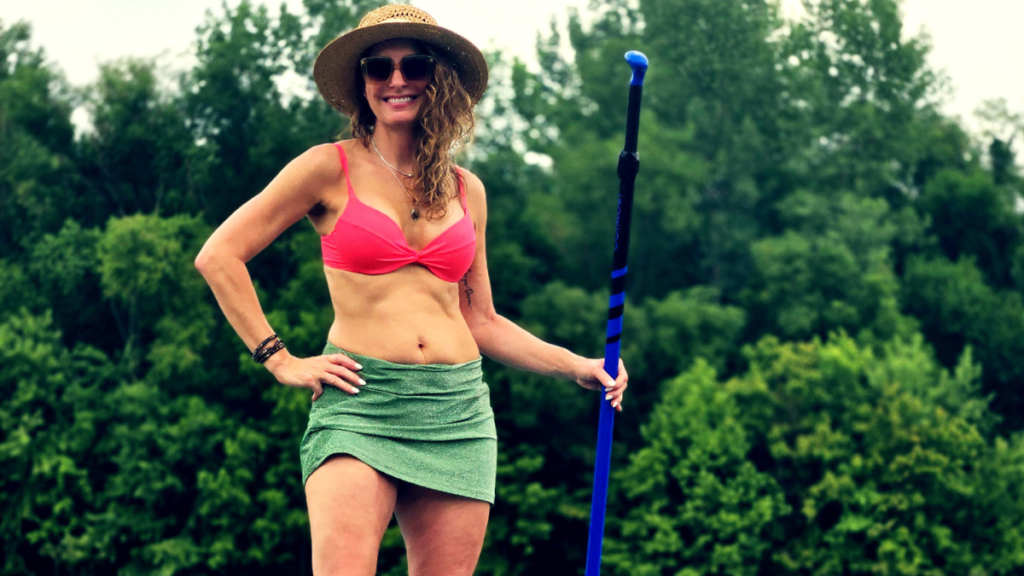
I’m also working toward a bikini-prep goal.
At almost 60.
Yes, I’m doing it.
Because I believe we need to stop deciding what our bodies are capable of based solely on the number on our birthday cake.
My Simple Belly-Fat Diet Formula After 50
If all of this feels complicated, bring it back to a very simple formula:
Protein + vegetables + healthy fats + smart carbohydrates + mostly whole foods.
Start there.
Build meals around real food.
Get enough protein.
Eat vegetables every day.
Strength train.
Move your body.
Adjust portions based on your goals.
And stop looking for the magical food that melts belly fat.
There isn’t one food that’s going to selectively burn fat from your stomach.
The real goal is improving your overall body composition and creating habits you can maintain.
Don’t Just Lose Weight—Build a Stronger Body
After 50, I believe we need to change the conversation.
Instead of constantly asking:
“How can I get smaller?”
Start asking:
“How can I become stronger?”
That’s the journey I’m on as I approach 60.
Yes, I want a lean waist.
But I also want muscle.
I want strength.
I want energy.
I want to be physically capable.
And I want to be able to keep doing the things I love for decades to come.
That’s a very different definition of success than simply chasing a lower number on a scale.
If you’re beginning your own health transformation after 50, start with your next meal.
You don’t need to be perfect.
You simply need to make your next choice a little better than the one before it.
I’m Kacey Ann Reynolds, an ACE-certified personal trainer, health coach and behavior change specialist helping people over 50 improve their health, confidence and quality of life.
If you enjoyed this article, watch the other videos in my series on building muscle after 40 and supporting healthy testosterone levels as you age.
And as always, I’m wishing you peace, love and joy.
This article is for educational purposes and isn’t a substitute for individualized medical or nutrition advice. If you have diabetes, high blood pressure, kidney disease, take medications, or have another medical condition, speak with your healthcare professional before making significant changes to your diet or exercise routine.
Lorem ipsum dolor sit amet, consectetur adipiscing elit. Ut elit tellus, luctus nec ullamcorper mattis, pulvinar dapibus leo.