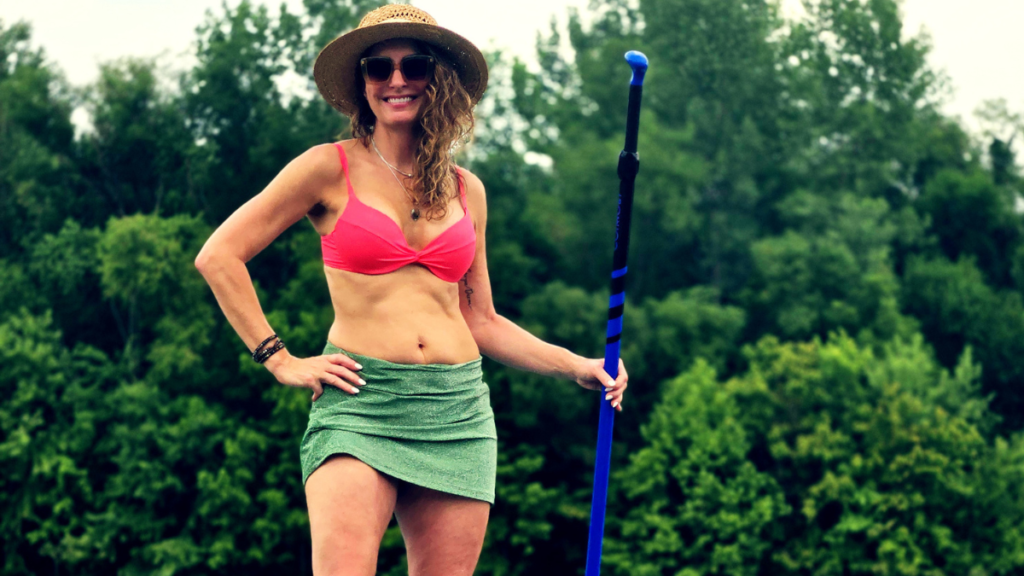
I changed my focus from losing weight to healthy eating, and then the real changes started to occur. I have the body of a 25 year old, even though I will be 60!! Changing my mindset about eating was key!!
Healthy eating after 50 starts with a varied eating pattern: include protein foods, vegetables, fruit, whole grains, and healthy fats, and adjust portions to your needs. My CAPE approach is a personal reminder to choose nourishing foods, add colorful plants, include protein, and stay active. It is a flexible framework, rather than a prescribed diet.
Ten years ago, I gained 40 pounds. I was frustrated with the changes in my body, especially the belly fat that arrived around menopause.
I tried keto. I tried intermittent fasting. I tried carnivore. For a minute or two, I was practically a cavewoman!
What finally helped me build a routine I could live with was changing my focus. Instead of chasing another strict set of food rules, I started asking: What can I eat today that helps me feel nourished, satisfied, and strong?
In the video that inspired this post, I was approaching my 60th birthday. My priorities had changed. I cared more about feeling capable and supporting my health than a visible six-pack!
Here is how I put that mindset into practice.
What is the CAPE approach to healthy eating?
In my video, I use CAPE to remember four priorities: **Clean, Antioxidants, Protein, and Exercise.** Think of a cape with many colors—a playful reminder to bring variety to your plate.
This is my personal organizing tool, not a clinically tested nutrition program. You do not need rigid percentages or a perfect menu to use it.
C: Clean—keep everyday food choices simple
For me, “clean” means building meals around foods that provide useful nourishment: vegetables, fruit, eggs, fish, beans, whole grains, and other protein foods.
It does not mean every packaged food is unhealthy. Frozen broccoli, canned beans, and plain yogurt can make everyday eating much easier. A short ingredient list can be convenient, but the number of ingredients alone does not tell you whether a food is nutritious.
Read labels for information that helps you choose, such as serving size, protein, fiber, sodium, and added sugars. You do not have to avoid the natural sugars in whole fruit or plain dairy products.
And yes, I still enjoy some tortilla chips and salsa. A healthy eating routine should have room for foods you like.
A: Antioxidants—add a garden of colors
I like to think of my salad as a garden of colors: leafy greens, blueberries, cranberries, nuts, and whatever other vegetables or fruit I have available.
Plant foods provide fiber, vitamins, minerals, and a variety of naturally occurring compounds. Choosing different colors is a simple way to encourage variety, without turning every meal into a nutrition calculation.
Brain health is especially personal to me because my father passed away from Alzheimer’s disease. That experience made me pay more attention to how I eat.
Mediterranean and MIND eating patterns are being studied for their possible relationship with cognitive health. These patterns include foods such as leafy greens, berries, beans, nuts, and fish.
I choose these foods as part of caring for my overall health, rather than expecting a salad or supplement to guarantee a particular outcome.
P: Protein—include it throughout the day
Protein is an important part of meals as we get older. The National Institute on Aging encourages older adults to include protein sources throughout the day to help maintain muscle.
My meals often include eggs, salmon, chicken, pork tenderloin, beans, or lentils. I also enjoy adding chickpeas, peas, or feta to a salad.
In the video, I describe my personal protein goal of around 120 grams a day, often with 35–40 grams at a meal. **That is my target, not a recommendation for every woman or man over 50.** Your needs depend on factors such as body size, activity, overall health, and medical conditions. A registered dietitian can help you choose an appropriate target, especially if you have kidney disease or another condition that affects nutrition.
You also do not have to eat cottage cheese if you dislike it. I certainly don’t! Choose protein foods you enjoy enough to eat regularly.
E: Exercise—make movement part of the routine
Food is one part of how I care for myself. Movement is another.
My routine includes strength training and a physically active job. Yours may look different. The useful starting point is choosing activity you can repeat and building gradually from there.
I try to pay attention to how I feel, how my clothes fit, and what I can do—not just the number on the scale. In the video, I share that my weight had risen slightly even though I felt leaner and stronger. That is my experience, rather than a promise that anyone following these meals will get the same result.
What I eat in a day after 50
I usually eat three meals and two snacks. That schedule suits me, but you can use a different meal rhythm that fits your appetite and daily life.
Meal Foods from my routine How I build it
Breakfast
Scrambled eggs, a little cheese, and whole-grain toast | Start with a protein food and add a whole grain.
Lunch
Kale salad with salmon, blueberries, cranberries, and pecans. Combine protein with colorful plants
Dinner
Pork tenderloin, potatoes, and broccoli. Keep a balanced meal simple and satisfying.
Snack
Citrus fruit or grapes. Keep an easy fruit option available
Nuts and a small portion of dark chocolate |
This is a picture of my habits, not a calculated meal plan. Quantities, preparation methods, and your nutritional needs all affect what is right for you.
Breakfast: Easy Peasy
Breakfast does not need to be complicated. Eggs and whole-grain toast are an easy starting point for me.
As I became more physically active, strict keto stopped fitting my life. I also noticed concerning cholesterol changes while following it. I changed my eating approach in response to my own experience; someone else may need a different plan.
Lunch: My Colorful Salad
My midday salad is where I bring together lots of variety. I might use kale, salmon, blueberries, a small amount of dried cranberries, and pecans.
Other days, I use chicken, chickpeas, peas, or feta. If I want something more filling, I can add quinoa or another grain. A salad should be a satisfying meal, not just a bowl of leaves.
Dinner: protein, potatoes, and broccoli
One of my easiest meals is pork tenderloin with potatoes and broccoli.
Yes, potatoes have a place in my routine. So do couscous, grains, and pasta. I sometimes choose lentil or higher-protein pasta, checking the label because products vary.
The practical question is whether the whole meal fits your needs and helps you feel satisfied.
Can healthy eating help with weight loss after 50?
Healthy eating can support weight management, but portions and overall energy intake still matter. A nutritious food can also be calorie-dense.
Tracking what I ate helped me notice habits I had overlooked, such as reaching for a large muffin after a stressful shift. I now keep easier alternatives available, including fruit and planned snacks.
You do not have to track forever, and you do not need a smartwatch to eat well. If you find a food diary useful, treat it as information rather than a reason to judge yourself.
One clarification to my video: **a calorie deficit does not automatically “crash” metabolism.** Weight loss generally requires taking in less energy than your body uses. Your energy needs may change during weight loss, and an overly restrictive approach can be difficult to sustain. A plan should still provide adequate nutrition and account for your health and activity.
What if you take a GLP-1 medication?
If you use a GLP-1 medication and struggle to eat enough, discuss your intake with your prescriber or a registered dietitian. Ask how to meet your nutrition needs within your treatment plan.
My experience leaving keto is not evidence about stopping a GLP-1 medication. This meal routine cannot guarantee that you will avoid weight regain after a medication change. Make treatment decisions with your prescribing clinician.
Start with three small changes
You do not have to overhaul your kitchen today. Start with a few choices you can repeat:
1. Include a protein food at breakfast.
2. Add another vegetable or fruit to one meal.
3. Plan an easy snack for the time of day you tend to get hungry or stressed.
For me, healthy eating became easier when it felt like a way to care for myself. I wanted energy for my work, strength for my workouts, and meals I actually enjoyed.
Frequently asked questions about healthy eating after 50
1. What should I eat after 50?
Build a varied routine with vegetables, fruit, protein foods, whole grains, and suitable sources of healthy fats. Adjust portions and food choices to your appetite, activity, preferences, and medical needs.
2. Do I need keto or intermittent fasting after menopause?
You do not have to use either approach to build a healthy routine. I moved away from them because a more flexible meal pattern worked better for me. Choose an approach you can sustain that meets your nutritional needs.
3.Does everyone over 50 need 120 grams of protein daily?
No. That is a personal target I mention in my video. Protein requirements vary, so a dietitian can help you determine a suitable amount.
4. Can I eat fruit, potatoes, and whole grains?
These foods can be part of a healthy eating pattern. Preparation, portion size, and any medical dietary needs matter. You do not need to remove entire food groups simply because you are over 50.
5. Can this eating plan prevent dementia?
No eating plan can guarantee dementia prevention. Research on diet and brain health is ongoing. I include colorful plants and other nourishing foods as part of supporting my overall health.
*This article shares my personal experience and general educational information. Individual nutrition needs and results vary.*
Nutrition references
– [National Institute on Aging: Healthy Meal Planning—Tips for Older Adults](https://www.nia.nih.gov/health/healthy-eating-nutrition-and-diet/healthy-meal-planning-tips-older-adults)
– [National Institute on Aging: Healthy Eating As You Age—Know Your Food Groups](https://www.nia.nih.gov/health/healthy-eating-nutrition-and-diet/healthy-eating-you-age-know-your-food-groups)
– [NIDDK: Eating and Physical Activity to Lose or Maintain Weight](https://www.niddk.nih.gov/health-information/weight-management/adult-overweight-obesity/eating-physical-activity)
– [National Institute on Aging: What Do We Know About Diet and Prevention of Alzheimer’s Disease?](https://www.nia.nih.gov/health/alzheimers-and-dementia/what-do-we-know-about-diet-and-prevention-alzheimers-disease)
Lorem ipsum dolor sit amet, consectetur adipiscing elit. Ut elit tellus, luctus nec ullamcorper mattis, pulvinar dapibus leo.